
Can the way you breathe cause anxiety?
Yes. For a great many people, part of it is. Not all anxiety, and I will be careful about that before the end, because this is a field where careful is rare. But the light-headedness, the low hum of unease, the feeling of being wired without being alert, the sense that the room has gone slightly unreal: a large share of that is not arriving from your past or your character. It is arriving from your breath, through a mechanism that is measurable and well understood.
Start with what anxiety does to breathing, because everyone has felt it. When you get anxious you breathe more. Faster, higher in the chest, through the mouth, with a sigh thrown in. It feels like getting more air, and it is more air. That is exactly the problem.
What over-breathing does to your brain
We are taught that carbon dioxide is waste, the exhaust you want to blow out as fast as possible. It is not. CO₂ is one of the most powerful regulators your body has, and one of the things it regulates is the diameter of the blood vessels feeding your brain. Carbon dioxide is a vasodilator: when it is present, the cerebral arteries stay open. Strip it out by breathing too much, and they narrow.
This is where the surprise lives. Breathe hard and fast and you feel like you are flooding yourself with oxygen, and your blood oxygen saturation may even read high. But the brain does not run on what is in the blood; it runs on what reaches it. Low CO₂ constricts the vessels that carry blood to the brain, so less blood arrives, and less oxygen with it.
There is a second turn of the screw, the Bohr effect: low CO₂ also makes your hemoglobin grip oxygen more tightly, so even the blood that does arrive hands over less. Oxygen everywhere, and not enough where it counts.
A brain running slightly under-supplied does not announce itself as low cerebral perfusion. It announces itself as light-headedness, tingling, a swimming unreality, a floor that feels less solid. Those are not the early warnings of anxiety. For many people they are a real and measurable part of it, and they came from a breathing pattern.
Then it closes into a loop. The strange sensations feel threatening, so you brace, so you breathe more, so CO₂ falls further.
Worse, chronically low CO₂ can leave the body hypersensitive to a rise in it, so a small ordinary fluctuation starts to read as alarm. Anxiety drives the over-breathing, and the over-breathing manufactures more of what you experience as anxiety. It is a genuine catch-22, and it runs on chemistry, not on willpower.
Why "just take a deep breath" often makes it worse
Here is the advice everyone gives, meant kindly, and aimed at the wrong target. Told to calm down, most people pull a big fast breath in through the mouth, and then another. That is more air. More air pushes CO₂ lower, which is the direction that started the trouble. The instruction treats the symptom, the shortness, as the cause, when in most cases the cause is already too much breathing rather than too little.
The correction is not more air. It is less. Slow the breath down. Move it out of the chest and into the belly. Close the mouth and breathe through the nose, which naturally limits volume and slows the pace. Let the exhale run long and unhurried. What you are doing is allowing CO₂ to climb back toward where it belongs, which opens the vessels, restores the delivery, and settles the very sensations that told you something was wrong. Not a deeper breath. A smaller, slower, quieter one.
What actually moves it
Calming a single episode is one thing. Changing the setpoint that keeps producing them is another, and that is the part slow breathing alone does not finish. If your chemistry over-reacts to a normal rise in CO₂, the real work is to raise your tolerance to CO₂ so that an ordinary rise stops registering as an emergency.
That is what a breath-hold trains directly. Hold your breath and CO₂ climbs on a schedule you chose. The urge comes, the pressure builds, the old alarm sounds, and you stay composed inside it, on purpose, at a time you picked, with your hand on the door. Done repeatedly, the system stops treating its own carbon dioxide as a threat. The breath-hold is the stressor; what your mind does while it runs is the training; and the baseline you carry into the rest of the day is what quietly shifts.
What the research does and does not say
Let me be exact, because the temptation to overclaim here is strong.
Using PET in healthy adults, blood flow to the brain fell about 3.5% for every 1 mmHg drop in arterial CO₂. Breathe off your carbon dioxide and cerebral blood flow drops in direct, measurable proportion. That is the vasoconstriction, quantified. It is a lever, not a metaphor.
Reviewing panic disorder, the authors make a physiology-first proposal: that panic is rooted in real cardiorespiratory strain rather than being purely psychological, and that some panic attacks may be genuine alarms from a body under load, not false alarms invented by the mind. It reframes part of anxiety as physiology first. The authors offer it as a hypothesis, and it should be read as one.
One honest caveat. None of this means anxiety is only a breathing pattern, or that a breath undoes a clinical anxiety disorder. Some anxiety has causes that have nothing to do with CO₂, and persistent or disabling anxiety deserves a qualified professional, not a breathing drill. What the physiology establishes is narrower and more useful: for a large number of people, a real share of what they call anxiety is a respiratory pattern with a chemical signature, and that share is trainable.
This isn't something to manage. It's a system you can train.
See how the method works →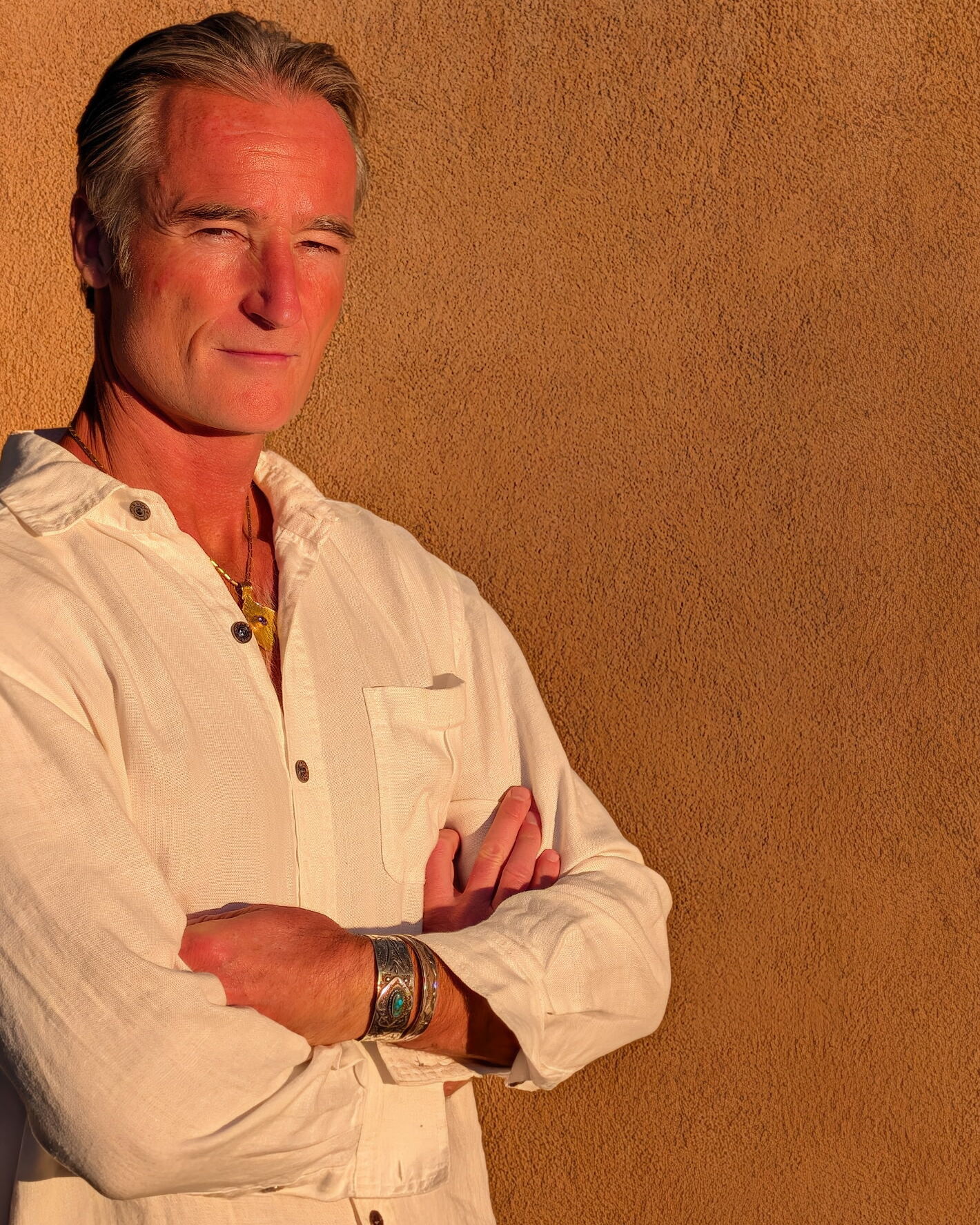
Written by Erwan Le Corre, who set three U.S. National Records in static apnea and founded BreathHoldWork®.